
How to Fix a Leaking Water Feature
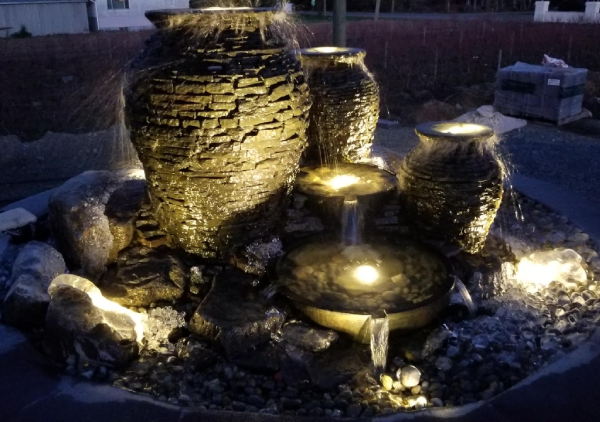
At Fontana Ponds & Water Features, we know that a water feature is more than a backyard addition; it’s a living, breathing retreat that anchors your entire outdoor space. So when something feels off, like the pump cycling more frequently or a patch of soggy ground where there shouldn’t be one, that sense of peace can quickly give way to worry. Learning how to fix a leaking water feature starts with slowing down and reading what your feature is actually telling you.
Is It Really a Leak?
Before pulling back any rockwork or reaching for a patch kit, rule out the most common culprit: evaporation and splash-out. During BC’s dry summer months, a moving water feature can naturally lose a noticeable amount of water each week, especially on south-facing installations with full sun exposure. This is completely normal.
A true leak behaves differently. Watch for these signs:
- Water loss continues even during cool, overcast stretches when evaporation is minimal
- The water level drops when the pump is switched off
- Persistently wet soil or pooling water outside the feature’s natural perimeter
- The pump runs dry or seems to strain without explanation
If you’re seeing any of these, it’s time to start a proper diagnosis.
Running the Shutdown Test
This is the most reliable first step in isolating where a leak is occurring.
- Turn off the pump and mark the current water level clearly
- Leave everything off for 24 hours
- Check the water level again
If the water level holds, the pond basin itself is sound. Your leak is likely in the waterfall, stream, or plumbing connecting the pump to the upper falls.
If the water level continues to drop, the issue is within the pond basin, typically the liner or a fitting below the waterline.
This single test saves hours of guesswork and helps you focus your repair efforts where they’ll actually matter.
Learn how to properly maintain your water feature year round.
Common Leak Locations in BC Water Features
BC’s climate and geography create specific conditions that affect where and how leaks develop.
Liner Punctures and Tears
Lower Mainland soils shift. Clay-heavy ground expands and contracts seasonally, and that movement can stress a liner over time. Wildlife is another factor. Great Blue Herons wading into shallow areas and raccoons exploring the edges are regular visitors in many Fraser Valley neighbourhoods, and their activity can compromise a liner in ways that aren’t immediately obvious.
Inspect the liner carefully, especially:
- Around sharp or angular rocks
- Along the pond’s edge where soil settlement may have caused the liner to pull or crease
- In areas frequented by pets, children, or wildlife
Waterfall and Stream Edges
Rock shifting is one of the most frequent causes of waterfall leaks. As the ground settles through BC’s wet winters and freeze-thaw cycles, rocks that once channelled water perfectly can shift just enough to let flow escape the stream bed. Walk the entire length of your waterfall and stream during operation, watching for water migrating outside the liner edge or saturating soil well beyond the feature’s footprint.
Plumbing Connections
Fittings between the pump and waterfall are stress points, particularly after winter. Freeze-thaw cycles put pressure on connections, and even a small gap in a fitting can result in meaningful water loss over time. These are worth inspecting closely during your spring startup.
UV-Degraded Liner Material
South-facing installations receive significant UV exposure, and older liner material can become brittle and prone to cracking along exposed edges. If your feature has been in place for many years, this is worth factoring into your diagnosis.
DIY Repairs vs. Calling a Professional
Some leak situations are genuinely manageable as a DIY project. Others benefit from experienced hands.
Reasonable DIY repairs include:
- Patching a small, clearly visible liner puncture using a compatible liner patch kit
- Repositioning rocks that have shifted along a stream edge to redirect water back within bounds
- Replacing a loose or cracked plumbing fitting between pump and waterfall
Consider calling a professional when:
- You’ve run the shutdown test but still can’t locate the source
- The liner damage is extensive enough to require draining the feature
- Structural elements of the waterfall need to be rebuilt
- The repair involves a filtration system or ecosystem balance you don’t want to disrupt
Aquascape-certified contractors understand how BC’s climate patterns affect water feature systems across seasons, and a professional assessment often resolves in one visit what might take multiple DIY attempts spread across weeks.
Learn more about the benefits of hiring a certified water feature contractor.
Staying Ahead of Future Leaks
The best repair is one you never have to make. A few habits go a long way:
- Inspect connections and liner edges each spring after the freeze-thaw season
- Trim back vegetation regularly, since BC’s lush growth means root systems can encroach on liner edges faster than expected
- Winterize thoughtfully to avoid pressure damage to plumbing during cold snaps
- Monitor wildlife activity and adjust rockwork or planting if herons or raccoons are frequenting the water’s edge
Let Your Feature Thrive Again
A leak doesn’t diminish what your water feature means to your property. At Fontana Ponds & Water Features, we work with Fraser Valley homeowners to diagnose and repair water features with the same care and craft that went into building them. If you’ve worked through these steps and still have questions, we’d love to help. Give us a call at 778-990-9773 and let’s bring the serenity back to your outdoor space.


Your Oasis...
Our Passion
Mission, BC V2V 7G9
(C) 2026 Fontana Ponds & Water Features | Privacy Policy